
Fat Loss Isn’t Meant to Be Sustainable: Here’s Why
After coaching many people through fat loss, I’ve noticed the same misunderstanding come up again and again:
Fat loss should feel sustainable.
That belief is one of the main reasons people struggle.
What they often mean is that they don’t want to:
- Change much about how they’re currently eating.
- Make short-term trade-offs.
- Have the process feel challenging.
But if nothing changes, the results won’t change either. Getting results you’ve never had requires doing some things differently.
While those things can feel challenging at first, they often become much easier with practice.
And fat loss becomes much simpler when you realize a calorie deficit is a short-term tool.
They’re intentional periods where you consume fewer calories than your body burns, used to achieve a specific outcome: fat loss.
Once you understand that, the process becomes much easier to accept.
It becomes easier to:
- Track your food
- Turn down dessert
- Say no to the burger and fries
- Train when you’re tired
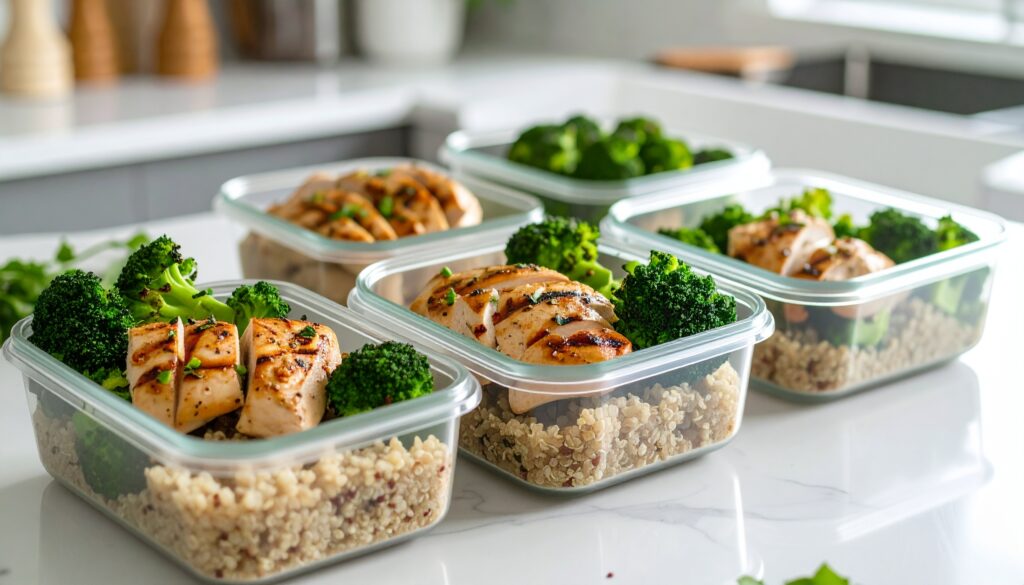
- Meal prep when you don’t feel like it
These behaviors are met with a lot less resistance because you understand what the phase requires, and you know it won’t last forever.
Even more so when there’s direction, a reason, and a clear endpoint.
You know:
- Where you’re headed
- Why you’re going there
- What it will take
- When you’ve arrived
That clarity makes consistency much easier.
Without it, fat loss feels like a never-ending diet and something you constantly want a break from.
Why Fat Loss Feels Hard
Fat loss requires more precision, more consistency, and more short-term trade-offs.
None of the behaviors and habits are necessarily difficult or extreme, but they are more deliberate than how many people typically eat.
What makes fat loss feel especially difficult is forgetting that you won’t have to be that intentional with your food choices forever.
Without a clear goal and endpoint, a calorie deficit can start to feel like a permanent restriction.
That’s when motivation fades and people begin wanting constant breaks from the process because it feels too restrictive and exhausting.
But when fat loss is viewed correctly—as a temporary phase with a specific goal—it becomes much easier to stay consistent.

How Long Should a Fat Loss Phase Last?
Most fat loss phases last 8–16 weeks.
Long enough to make meaningful progress, but short enough to maintain focus and consistency.
The exact timeline depends on things like:
- How much fat someone wants to lose
- How lean they already are
- How aggressive the calorie deficit is
For example, someone trying to lose 10–15 pounds may complete that within a single fat loss phase.
Someone trying to lose 40–50+ pounds may need multiple phases, with maintenance periods in between.
The goal of a fat loss phase is simple:
- Create a calorie deficit
- Lose body fat
- Reach your target or stopping point
- Transition to maintenance
Once the goal is reached, the deficit ends.
|
Many people struggle with fat loss not because they lack effort, but because they don’t have a clear plan for the phase they’re in. If you’d like help building a clear fat loss plan, you can learn more about my coaching here. |
What Is the Difference Between Fat Loss and Maintenance
Understanding the difference between these two phases is critical.
Many people try to live in a permanent calorie deficit, which is where problems begin.
Fat loss requires a calorie deficit, which means consuming fewer calories than your body burns.
This phase typically includes:
- More structure around nutrition
- Greater awareness of calorie intake
- More intentional decision-making
- Greater consistency
- Some short-term trade-offs
Maintenance calories are different.
At maintenance, you are eating roughly the amount of calories your body burns.
This means:
- More flexibility
- More room in your calorie budget
- Fewer trade-offs
- Less precision required
During fat loss, the goal is to create a deficit so the body gradually uses stored energy (body fat).
During maintenance, the goal is to stabilize body weight while continuing many of the habits that helped you get lean.
Fat loss is temporary and requires more restraint
Maintenance is where most of your time should be spent, and allows for more freedom.
This is why it’s helpful to remember that fat loss is a phase, and maintenance is the lifestyle.

What Happens After a Fat Loss Phase?
Is fat loss sustainable?
Once you reach your fat loss goal by accepting what the phase requires and sticking to the plan, you transition to maintenance calories.
You continue using many of the habits, skills, and behaviors that helped you get lean in the first place.
Things like:
- Being mindful of portions and calories
- Eating enough protein and fiber
- Staying active and strength training consistently
- Having structured and consistent meals
Those don’t change.
The level of constraint does.
Instead of maintaining a calorie deficit, you’re now eating enough to support your body weight while continuing most of the behaviors that helped you get there.
This is where we want long-term sustainability.
Conclusion
Fat loss often feels overwhelming when people believe it must be permanent.
But that’s not how it works.
Fat loss is a temporary phase used to achieve a specific goal.
When you understand that, the process becomes much easier to accept.
You know:
• What phase you’re in and why
• Why you’re in it
• Where you’re headed
• When the phase will end
That clarity makes consistency much easier.
And once the goal is reached, you move into maintenance—where there’s more flexibility and freedom.
Coaching
If you’re trying to lose fat but feel stuck, it’s often because you don’t have a clear plan, structure, or endpoint.
That’s where coaching can help.
Together we can:
- Build a clear fat loss plan
- Create structure around your nutrition and training
- Identify the habits that will help you stay consistent
- And transition you to maintenance once the goal is reached
If you’d like help with that, you can apply for coaching here and we can talk about the next steps.